
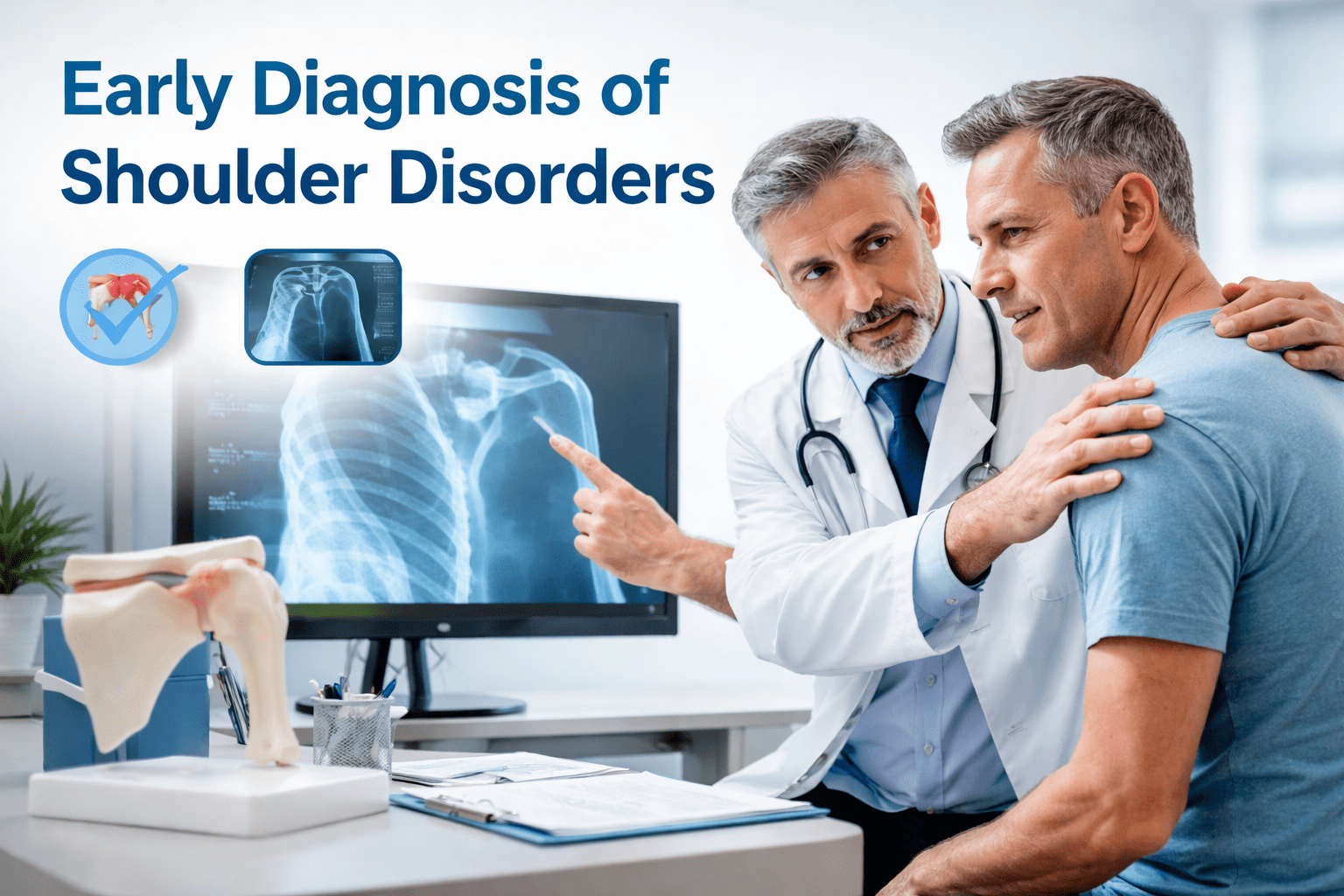
Importance of Early Diagnosis in Shoulder Disorders
The shoulder is one of the most active and flexible joints in the human body. However, this mobility also makes it highly prone to injuries and degenerative changes. Early diagnosis of shoulder disorders is crucial because ignoring shoulder pain or stiffness can lead to long-term complications, severe pain, and even disability. Dr Prashant Meshram Orthopedic Surgeon | Advanced Skills
Why Early Diagnosis of Shoulder Disorders Should Not Be Ignored
Many people assume shoulder pain is temporary. But when pain or stiffness persists, it often indicates underlying shoulder conditions. Delaying treatment allows the condition to worsen, increasing the need for complex treatment or surgery. That is why the early diagnosis of shoulder disorders helps prevent complications.
Common Conditions Requiring Early Diagnosis of Shoulder Disorders
-
Rotator cuff tears – Early detection prevents worsening tears
-
Frozen shoulder – Early treatment shortens recovery time
-
Shoulder impingement – Prevents tendon and muscle damage
-
Shoulder arthritis – Slows degeneration if identified early
-
Shoulder instability / dislocation – Prevents repeated dislocations
Benefits of Early Diagnosis of Shoulder Disorders
1️⃣ Prevents Condition Worsening
When shoulder problems are identified early, minor injuries don’t develop into major damage.
2️⃣ Improves Chances of Non-Surgical Treatment
Most shoulder disorders respond well to physiotherapy, medications, and injections when diagnosed early.
3️⃣ Faster Recovery
Early diagnosis of shoulder disorders leads to quicker treatment and faster return to normal activities.
4️⃣ Prevents Chronic Pain
Timely treatment helps avoid long-term pain, stiffness, and mobility loss.
5️⃣ Cost-Effective Treatment
Early intervention reduces the need for surgery and prolonged treatment expenses.
Warning Signs That Indicate the Need for Early Diagnosis of Shoulder Disorders
Consult a specialist if you experience:
-
Shoulder pain for more than 2–3 weeks
-
Difficulty lifting or rotating your arm
-
Reduced movement or stiffness
-
Night pain affecting sleep
-
Instability, popping, or clicking sensation
- Early Diagnosis of Shoulder Disorders – 7 Key Benefits for Faster Recovery
How Doctors Perform Early Diagnosis of Shoulder Disorders
Diagnosis generally includes:
-
Detailed medical history
-
Clinical examination
-
X-Ray / MRI / Ultrasound
-
Shoulder strength & mobility assessment
These help identify the exact cause and ensure the right treatment.
Treatment Benefits of Early Diagnosis of Shoulder Disorders
Most shoulder problems improve with:
-
Physiotherapy
-
Pain management
-
Posture correction
-
Lifestyle modification
Surgery is usually needed only for severe or advanced cases.
Conclusion
Early diagnosis of shoulder disorders is the key to protecting shoulder function and preventing long-term complications. Never ignore persistent shoulder pain — timely evaluation ensures faster recovery and a healthier, active life. Advanced Orthopedic Skills of Dr Prashant Meshram
Early Diagnosis of Shoulder Disorders – 7 Key Benefits for Faster Recovery
Table of Contents
Advanced Orthopedic Skills of Dr Prashant Meshram
Expertise in Advanced Orthopedic Procedures
Dr Prashant Meshram orthopedic surgeon is highly recognized for his advanced orthopedic skills in diagnosing and treating complex bone and joint conditions. With extensive surgical experience and a patient-focused approach, he delivers world-class treatment using the latest medical technologies. His expertise ensures faster recovery, minimal pain, and long-lasting results for patients suffering from orthopedic problems.7 Advanced Orthopedic Skills | Dr Prashant Meshram
Specialist in Joint Replacement Surgery
Dr Prashant Meshram is an expert in performing knee replacement and hip replacement surgeries with precision and excellence. Using minimally invasive techniques, he helps patients regain mobility, reduce chronic pain, and return to their normal lifestyle quickly. His advanced surgical planning and modern implant technologies improve both safety and long-term success rates.7 Advanced Orthopedic Skills | Dr Prashant Meshram
Arthroscopy & Sports Injury Management
Arthroscopy is a key area of specialization for Dr Prashant Meshram orthopedic surgeon. This minimally invasive procedure is used to treat ligament injuries, meniscus tears, shoulder problems, and sports injuries. With smaller incisions and faster healing time, patients experience less discomfort and quicker rehabilitation.7 Advanced Orthopedic Skills | Dr Prashant Meshram
Advanced Trauma & Fracture Care
Dr Prashant Meshram has vast experience in managing complex fractures and trauma cases. From simple fractures to high-impact accident injuries, he provides comprehensive orthopedic trauma care using modern fixation techniques and personalized treatment plans. His goal is to restore strength, movement, and function as early as possible.
Minimally Invasive Orthopedic Surgery
One of the major advantages of consulting Dr Prashant Meshram is his expertise in minimally invasive orthopedic surgery. These techniques result in:
- Smaller cuts
- Less blood loss
- Reduced hospital stay
- Faster recovery
- Early return to daily activities
This advanced approach makes treatment safer and more effective for patients of all age groups.
https://www.apollohospitals.com/doctors/orthopedics-shoulder-surgery/hyderabad/dr-prashant-meshram
Patient-Centric Treatment Approach
Every patient receives a customized treatment plan based on their condition, lifestyle, and recovery goals. Dr Prashant Meshram focuses on accurate diagnosis, clear communication, and complete post-surgical rehabilitation to ensure the best possible outcomes.