
Torn Shoulder Labrum: Symptoms, Treatment & Recovery | Dr. Prashant Meshram
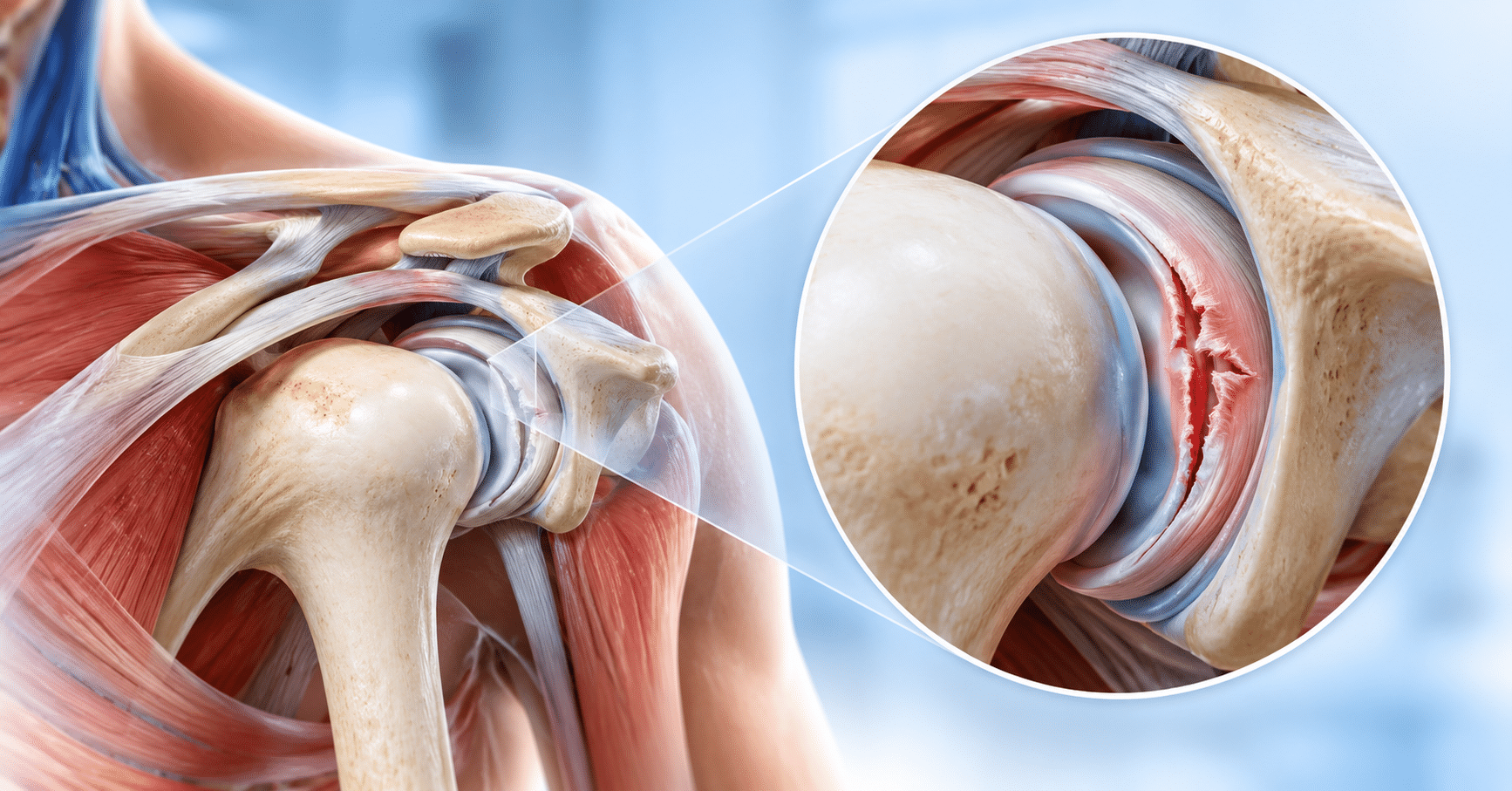
A torn shoulder labrum can cause pain, clicking, weakness, or a feeling that the shoulder is unstable. The labrum is a ring of cartilage that helps deepen the shoulder socket and contributes to shoulder stability.
A labral tear can occur after an injury, repeated shoulder movements, sports activities, or other stresses on the shoulder joint. The symptoms and treatment can vary depending on the type and extent of the tear.
What Is a Torn Shoulder Labrum?
The shoulder is a ball-and-socket joint that allows a wide range of movement. The labrum surrounds the socket and helps keep the head of the upper arm bone securely positioned.
When this cartilage is damaged, it can result in a shoulder labral tear.
Labral tears can affect people involved in sports, gym activities, overhead movements, or those who have experienced a shoulder injury.
What Causes a Shoulder Labral Tear?
Some common causes include:
- Falls or direct injury to the shoulder
- Shoulder dislocation
- Repetitive overhead movements
- Sports involving throwing or lifting
- Heavy lifting
- Sudden pulling of the arm
- Repeated stress on the shoulder joint
Previous shoulder instability or dislocation can also be associated with damage to the labrum.
What Are the Symptoms of a Torn Shoulder Labrum?
The symptoms of a torn shoulder labrum can vary from person to person. Common symptoms may include:
- Deep shoulder pain
- Clicking or popping during movement
- A catching sensation inside the shoulder
- Shoulder weakness
- Feeling that the shoulder is unstable
- Pain during overhead activities
- Reduced confidence when using the affected arm
- Pain during sports or gym exercises
Some people may initially mistake these symptoms for a simple muscle strain. Persistent symptoms should be evaluated rather than ignored.
How Is a Shoulder Labral Tear Diagnosed?
A shoulder specialist usually begins with a detailed history and physical examination. The doctor may assess shoulder movement, strength, stability, and specific movements that reproduce symptoms.
Depending on the findings, imaging tests such as an MRI or MR arthrogram may be recommended to evaluate the labrum and other structures inside the shoulder.
The diagnosis depends on the patient’s symptoms, examination, and imaging findings rather than an imaging report alone.
Can a Torn Shoulder Labrum Heal Without Surgery?
Not every labral tear requires surgery.
Depending on the type of tear and symptoms, treatment may include:
- Activity modification
- Physiotherapy
- Shoulder-strengthening exercises
- Improving shoulder movement and stability
- Pain management when appropriate
- Gradual return to normal activities
If symptoms improve with non-surgical treatment, surgery may not be necessary.
When Is Surgery Considered?
Shoulder labrum surgery may be considered when symptoms continue despite appropriate non-surgical treatment or when the tear is associated with significant instability or recurrent shoulder dislocation.
In selected patients, shoulder arthroscopy may be used to repair the damaged labrum. The exact procedure depends on the location and type of tear and the patient’s individual condition.
How Long Does Recovery Take?
Recovery after a shoulder labral tear depends on the severity of the injury and the treatment required.
Patients undergoing non-surgical treatment may gradually return to activities as pain, movement, and strength improve.
After labral repair surgery, rehabilitation is an important part of recovery. The return to sports, gym activities, or heavy lifting should be gradual and guided by the treating surgeon and physiotherapy team.
When Should You See a Shoulder Specialist?
You should consider an evaluation if you have:
- Persistent shoulder pain
- Repeated clicking or catching
- Shoulder instability
- Recurrent dislocation
- Weakness during overhead activities
- Symptoms that continue despite rest
Early evaluation can help identify whether the symptoms are related to a labral tear or another shoulder condition.
Dr. Prashant Meshram is a Consultant Shoulder Orthopedic Surgeon in Hyderabad, with a focus on shoulder conditions, sports injuries, shoulder arthroscopy, and related surgical treatments.
Patients experiencing symptoms of a shoulder labrum tear can undergo an appropriate clinical evaluation to understand the cause of their symptoms and discuss suitable treatment options.
For patients looking for a Shoulder Specialist in Hyderabad, Shoulder Surgeon in Hyderabad, or Shoulder Labral Tear Treatment in Hyderabad, a specialist assessment can help determine the right treatment approach.
Conclusion
A torn shoulder labrum can cause pain, clicking, weakness, and shoulder instability. Treatment depends on the type and severity of the tear, the patient’s symptoms, activity level, and response to initial treatment.
Not every labral tear requires surgery, but persistent symptoms or recurrent instability should be evaluated by a shoulder specialist.
Frequently Asked Questions
- Who is a shoulder specialist for a torn shoulder labrum in Hyderabad?
A shoulder specialist can evaluate a torn labrum through clinical examination and, when needed, imaging such as an MRI or MR arthrogram. Dr. Prashant Meshram, Consultant Shoulder Orthopedic Surgeon in Hyderabad, provides evaluation and treatment for shoulder labral tears. - What is the treatment for a torn shoulder labrum in Hyderabad?
Treatment depends on the type and severity of the tear. Physiotherapy and activity modification may help some patients, while arthroscopic labral repair may be considered when symptoms persist or there is significant instability. Dr. Prashant Meshram can assess the condition and recommend an appropriate treatment approach. - When should I see a shoulder surgeon for a labral tear?
You should consider seeing a shoulder surgeon if you have persistent shoulder pain, clicking, weakness, instability, or recurrent dislocation. Dr. Prashant Meshram, Shoulder Surgeon in Hyderabad, evaluates labral tears and other shoulder conditions to determine suitable treatment options.