Understanding Rotator Cuff Injuries and Their Treatments; Rotator cuff injury treatment
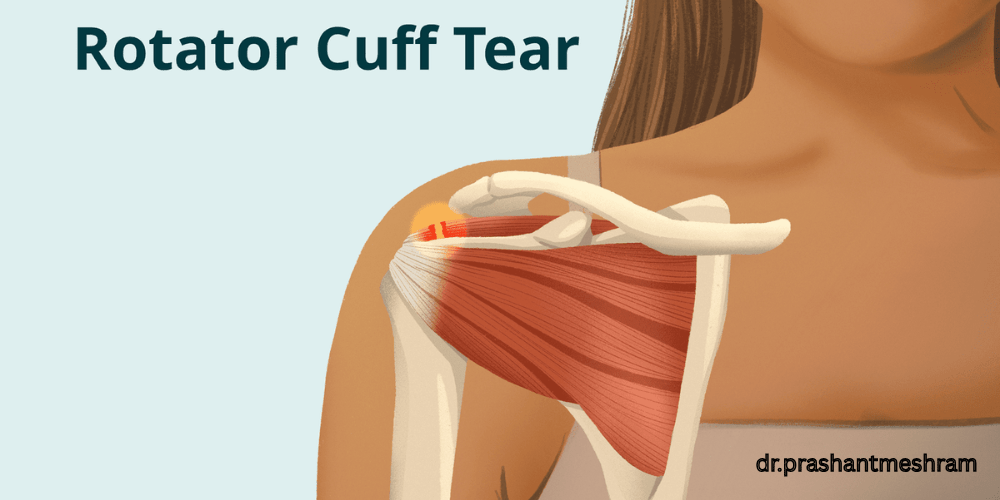
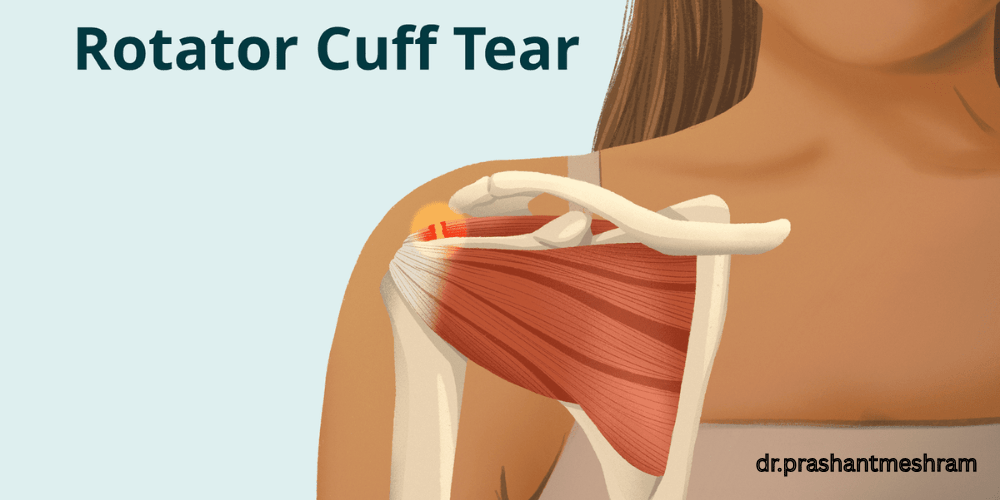
The rotator cuff is a group of muscles and tendons that surround the shoulder joint, keeping the head of the upper arm bone firmly within the shallow socket of the shoulder. Rotator cuff injuries are common and can cause significant pain and disability. Understanding these injuries, their causes, symptoms, and treatment options is crucial for those affected. Rotator cuff injury treatment
Causes of Rotator Cuff Injuries
Rotator cuff injuries can result from acute injuries or degenerative processes. Acute injuries often occur due to a sudden force or impact, such as falling on an outstretched arm or lifting a heavy object. Degenerative injuries, on the other hand, develop over time due to repetitive stress on the shoulder or aging. Rotator cuff injury treatment
- Overuse: Repetitive overhead motions, common in sports like baseball, tennis, and swimming, can strain the rotator cuff.
- Age-Related Wear: As we age, the tendons in the rotator cuff become weaker and more prone to tears.
- Trauma: A sudden fall or accident can cause a tear.
Symptoms
Common symptoms of rotator cuff injuries include:
- Pain: A dull ache deep in the shoulder, often worsening when lying on the affected side.
- Weakness: Difficulty lifting the arm or performing daily activities.
- Limited Range of Motion: Stiffness and inability to move the shoulder freely.
- Crepitus: A crackling sensation or sound when moving the shoulder.
Diagnosis
Diagnosis involves a physical examination by a healthcare provider, who may check for tenderness, range of motion, and shoulder strength. Imaging tests, such as X-rays, MRI, or ultrasound, may be used to confirm the diagnosis and assess the extent of the injury.
Treatment Options
Treatment for rotator cuff injuries depends on the severity of the injury and the patient’s overall health. Options range from conservative measures to surgical intervention.
- Conservative Treatments:
- Rest and Activity Modification: Avoid activities that exacerbate the pain.
- Physical Therapy: Strengthening and flexibility exercises to restore function.
- Medications: Anti-inflammatory drugs to reduce pain and swelling.
- Steroid Injections: Corticosteroid injections to reduce inflammation and pain.
- Surgical Treatments:
- Arthroscopic Surgery: Minimally invasive surgery to repair torn tendons.
- Open Surgery: Traditional surgery for more severe tears or complex repairs.
- Tendon Transfer: Moving a nearby tendon to replace a damaged one.
- Shoulder Replacement: In severe cases, replacing the damaged joint with an artificial one.
Recovery and Rehabilitation
Recovery from rotator cuff surgery involves a period of immobilization followed by gradual rehabilitation. Physical therapy plays a crucial role in regaining strength and mobility. The timeline for recovery varies but typically ranges from several months to a year.
Prevention
Preventing rotator cuff injuries involves taking measures to protect the shoulder from excessive strain and injury.
- Strengthening Exercises: Regular exercises to strengthen shoulder muscles.
- Proper Technique: Using correct techniques in sports and activities.
- Ergonomics: Ensuring proper posture and ergonomics in the workplace.
- Regular Breaks: Taking breaks to avoid repetitive stress.
Conclusion
Rotator cuff injuries can significantly impact daily life, but with proper understanding and management, individuals can recover and return to their normal activities. Whether through conservative treatments or surgical intervention, the goal is to relieve pain, restore function, and prevent further injury. Rotator cuff injury treatment
Table of Contents
https://www.apollohospitals.com/doctors/orthopedics-shoulder-surgery/hyderabad/dr-prashant-meshram
Rotator Cuff Injury Treatment for Fast Pain Relief and Shoulder Recovery
What Is a Rotator Cuff Injury?
A rotator cuff injury occurs when the tendons surrounding the shoulder joint become inflamed or torn due to overuse, trauma, aging, or sports activities. It commonly causes shoulder pain, weakness, stiffness, and difficulty in lifting the arm.
Non-Surgical Rotator Cuff Injury Treatment Options
Rotator cuff injury treatment often begins with conservative methods. Rest, activity modification, anti-inflammatory medications, and targeted physiotherapy help reduce pain and improve shoulder strength and flexibility. Ice therapy and corticosteroid injections may also be used to control inflammation and promote healing. Early diagnosis ensures faster recovery and prevents further tendon damage.
Advanced Surgical Treatment for Severe Tears
When non-surgical treatments do not provide relief, arthroscopic rotator cuff repair is recommended. This minimally invasive procedure reattaches the torn tendon, restores shoulder stability, and allows quicker recovery with minimal post-operative discomfort.
Rehabilitation and Recovery After Treatment
Post-treatment rehabilitation is essential to regain full range of motion, strength, and function. A personalized physiotherapy program helps patients safely return to daily activities and sports while reducing the risk of re-injury.
Consult a Shoulder Specialist for the Right Treatment
Timely consultation with an experienced shoulder specialist ensures accurate diagnosis and a customized treatment plan for long-lasting pain relief and optimal shoulder performance.